What San Diego's ADU Bonus Program Fee Costs
Outside San Diego's Coastal Overlay Zone, the community enhancement fee for a bonus accessory dwelling unit (ADU) has equaled the citywide impact fee for an apartment of the same size since May 20, 2026: $18,178 for a 600 sq ft unit at fiscal 2027 standard fire rates. For bonus ADUs of 750 sq ft or more, I'd get the city's written answer on which charges apply. I separate the bonus-program homes from the first ADUs before comparing costs, and I check the affordable-unit exclusion separately.
Key Takeaways
- Outside San Diego's Coastal Overlay Zone, the fiscal 2027 schedule puts the community enhancement fee for a 600 sq ft bonus ADU at $18,178, at standard fire rates.
- My May 2026 San Diego comparison excludes the first detached accessory dwelling unit (ADU) from the community enhancement fee. I distinguish it from homes using the bonus program.
- Outside the Coastal Overlay Zone, San Diego's bonus-program fee follows citywide rates, so it changes with home size rather than neighborhood; only the fire charge is higher in areas the city lists as underserved.
- We design higher-density accessory dwelling unit (ADU) projects around privacy for occupants and neighbors, at the scale of the surrounding neighborhood.
How Much Is San Diego’s ADU Bonus Program Fee?
Outside San Diego’s Coastal Overlay Zone, the community enhancement fee for a bonus accessory dwelling unit (ADU) has matched the citywide impact fee, the city’s one-time charge on a new apartment of the same size, since May 20, 2026: $18,178 for 600 sq ft at fiscal 2027 standard fire rates. At 750 sq ft or more, I’d confirm which charges apply.
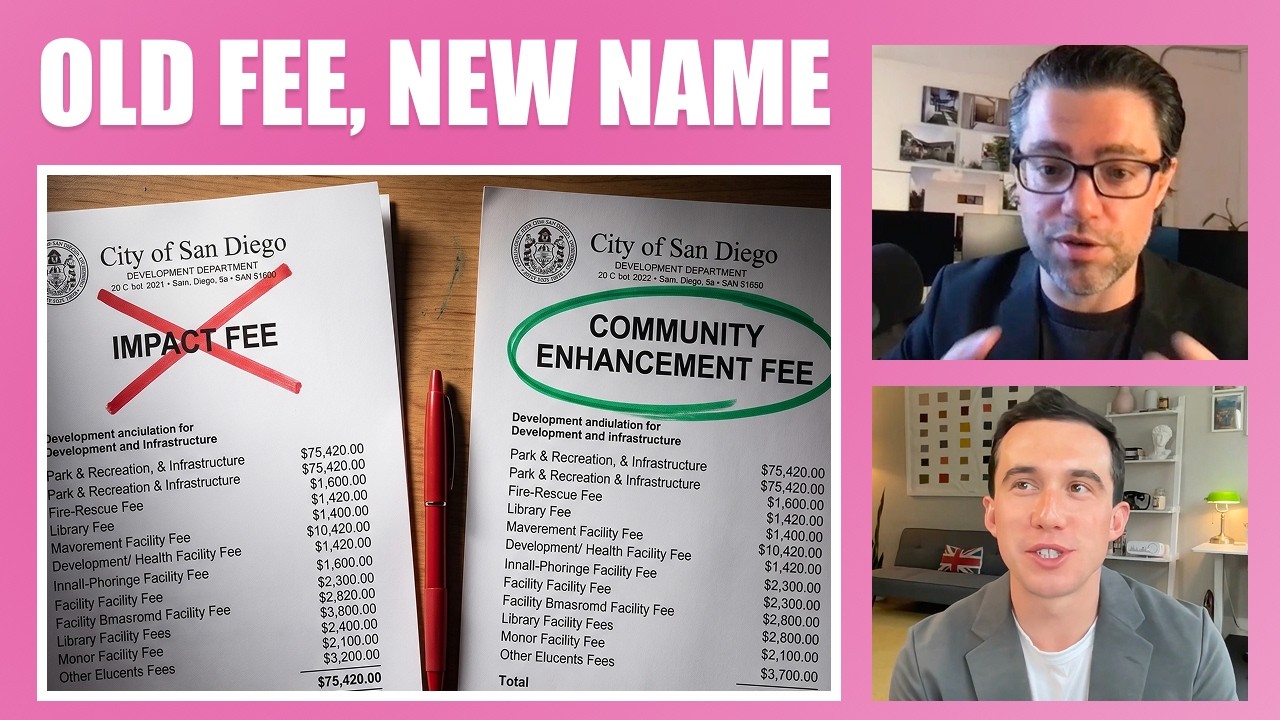
The ADU Home Density Bonus Program allows additional ADUs beyond the state allowance, and some affordable units are excluded from the fee. The fee started in August 2025 with three pieces of the impact fee, the fire, library and mobility charges that help fund public facilities and services. The park charge, the largest piece, came later, after the city said the 2025 resolution had left it out by mistake.
| Bonus ADU size | Before the park charge | With the park charge |
|---|---|---|
| 600 sq ft | $6,186 | $18,178 |
| 1,200 sq ft (see below) | $8,819 | $25,911 |
Those figures use the standard fire charge. Where the city lists an area as underserved for fire facilities, the fire charge adds $229 to $327. Separately, the San Diego Housing Commission has charged a $2,000 ADU Bonus program fee since November 1, 2025. I want those costs on the page while you’re deciding what to build, because finding it after you’ve committed to a plan is a very different conversation.
The city’s documents leave the fee treatment of bonus ADUs of 750 sq ft or more unresolved, so the 1,200 sq ft row may not be the whole charge. I’d get written confirmation of which charges apply before treating a single schedule amount as the project’s fee budget.
The exclusion covers affordable ADUs deed-restricted to very low- or low-income households on lots in high or highest resource areas of the state’s tax credit opportunity map when the application is deemed complete. A moderate-income affordable ADU still carries the fee.
Does the Community Enhancement Fee Apply to My First ADU?
No. In San Diego, the community enhancement fee doesn’t apply to the first detached ADU, a state-allowed unit. Outside the Coastal Overlay Zone, it applies to the affordable and bonus units built through the city’s ADU Home Density Bonus Program, minus any excluded affordable unit, so I separate those homes before comparing costs.
The calculation uses gross floor area, the floor area the city counts, across the affordable and bonus ADUs. That makes identifying the homes in the bonus program part of the fee calculation, before you get to their sizes.
That answer covers this one charge; I don’t treat it as a promise that adding an ADU has no costs.
Does the ADU Bonus Fee Vary by Neighborhood?
Not much. Outside the Coastal Overlay Zone, San Diego’s community enhancement fee follows citywide rates, so a bonus ADU of a given size carries about the same fee anywhere, except a higher fire charge in underserved areas. The neighborhood totals I compared, $18,387 per home in Barrio Logan and $20,224 per home in the College Area, come from a separate community table.
The bonus fee doesn’t use that table, and the city now assesses new development on its citywide rates. For each project, I want to know what the total is meant to cover. Fire, libraries, parks and transportation all appear in those rates, so I look at the whole amount before comparing one unit size with another.
Barrio Logan is where I live, and I think about how charges like these affect adding housing there. A fee that’s easy to overlook while looking at a property can become a serious obstacle once it’s in the project budget.
A low fee also doesn’t tell me whether the program is available on the lot. I look at zoning, the city’s rules for what can be built where, alongside the fee before I compare one site with another.
Does a Smaller ADU Pay Less Than a Regular Home?
Since May 20, 2026, a bonus ADU outside San Diego’s Coastal Overlay Zone pays what an apartment of its size pays: $18,178 for 600 sq ft at fiscal 2027 standard fire rates. A smaller unit still pays less, because the rates step down with size, and when more than two ADUs are proposed, the city’s development impact fee exemption applies to the two smallest.
Before the park charge was added, a 600 sq ft bonus ADU carried $6,186, about a third of what a 600 sq ft apartment paid.
I keep that development impact fee exemption separate from the community enhancement fee on the program’s affordable and bonus homes; the main house isn’t one of those two ADUs.
If the larger layout is what you need, the full-size fee belongs in that comparison. If a smaller layout works, I want its lower fee considered while the design is still taking shape.
Can These Fees Make My ADU Project Too Expensive?
Yes, fees can be the point where I’d decide a San Diego bonus project doesn’t pencil out, meaning its costs no longer make financial sense. I wouldn’t build a rental project on the assumption that extra units make every fee worthwhile. The fee belongs in the decision about whether to build.
People used to call me about companion units, the earlier name for ADUs, and lose interest when they learned about the impact fee. Their response was direct: that fee would price the project out. I take that reaction seriously when working through bonus-unit costs.
I can see these charges contributing to community services, and I can also see them discouraging a project. To me, a housing program’s usefulness depends on whether someone can afford to use it.
My concern is the cost a homeowner or developer has to carry to get a workable project. I want the fee included from the start, while you’re still deciding whether the additional homes make sense for your property.
Can I Add More ADUs Without Crowding My Neighbors?
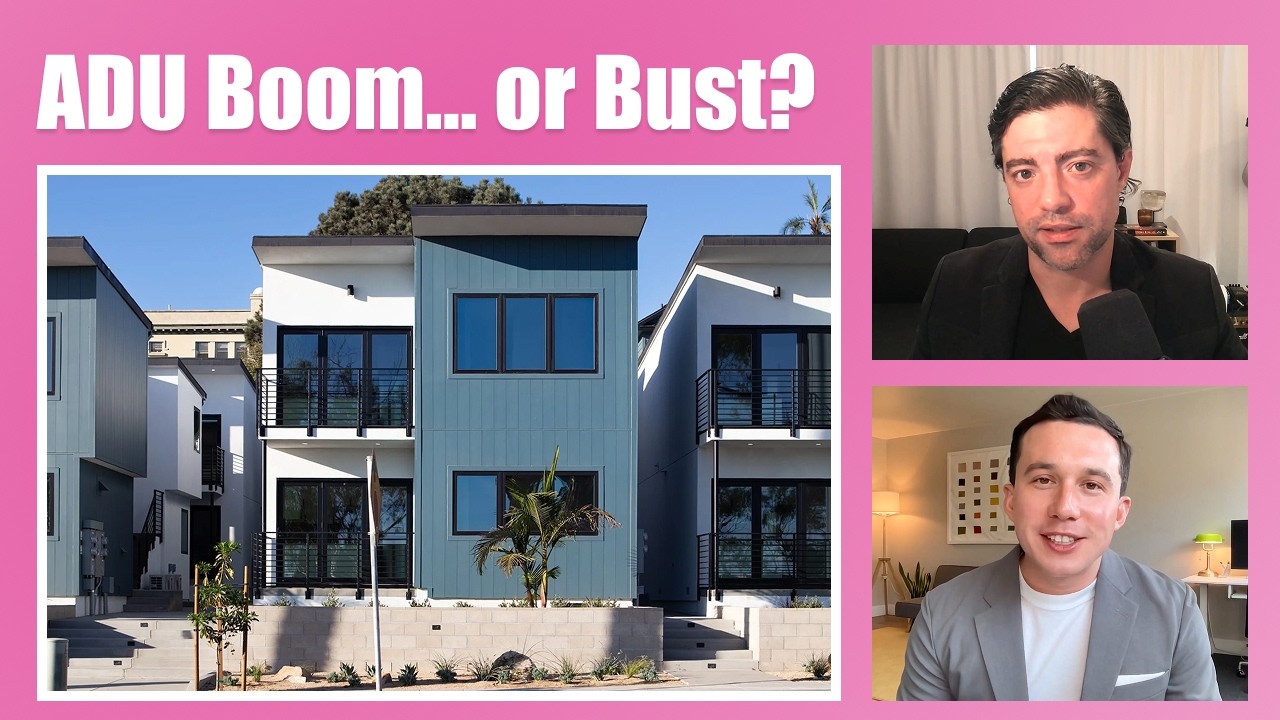
Yes, I think San Diego can add more homes while protecting privacy and respecting the adjacent neighborhood. We approach bonus-program projects as pocket neighborhoods, small groups of homes designed with occupants and neighbors in mind. We aren’t here to recommend maxing out every property just because a program makes more units possible.
The municipal code, the city’s rules for development, gives us a framework. I can design a beautiful home within those rules, and I can design something people hate. I care about how we use them.
I want the fee decision and the design decision to happen together. A project that looks affordable on paper still needs to work for the people who will live there and the neighbors beside it.
Start by marking which homes need the bonus program and pricing each at the size you’re considering, then check that the plan respects the privacy of occupants and neighbors. If you’d like someone to run the fee math on those bonus ADUs with you, we offer a complimentary consultation.
Questions You Might Still Have
What Is an Impact Fee Supposed to Pay For?
An impact fee is a charge on new housing intended to help pay for public facilities and services. In 2026, San Diego's citywide impact fees cover parks, fire, libraries and mobility, meaning transportation.
Can I Use San Diego's Schedule for a Project in Oceanside or Chula Vista?
No, my 2026 fee comparison uses the City of San Diego's schedule. Oceanside and Chula Vista have their own rules, so I wouldn't use these figures to price a project there.
Is the Park Fee the Whole Impact Fee?
No. In San Diego's citywide schedule the park charge is the largest part, and fire, library and mobility charges are added to it. For bonus ADUs outside the Coastal Overlay Zone, the park charge became part of the community enhancement fee on May 20, 2026.
Does Following the Municipal Code Guarantee a Well-Designed Home?
No. I can design a beautiful home under the city's building rules, and the same rules can also produce a home people dislike. The design depends on how we use those rules.
Has Ten Seventy Architecture Worked on ADU Bonus Program Projects?
We've done quite a few ADU Home Density Bonus Program projects. We focus on higher density with privacy for occupants and neighbors.